QUALITY & CERTIFICATION
OperatingUnderCertifiedGoodProcessingPractices
Two active CPIB certificates, run against an HACCP plan with records updated every shift.
CPIB — GOOD PROCESSING PRACTICES
Two Active Certificates
The company holds two CPIB (Cara Pengolahan Ikan yang Baik) certificates issued by the Ministry of Marine Affairs and Fisheries through the Fish Quarantine and Inspection Agency (BKIPM): No. 032/CPIB-PH.4/XI/2022 for frozen tuna and No. 033/CPIB-PH.4/XI/2022 for frozen pelagic fish. Both were issued through UPT KIPM Surabaya I on 28 November 2022 and remain valid until 22 November 2026.
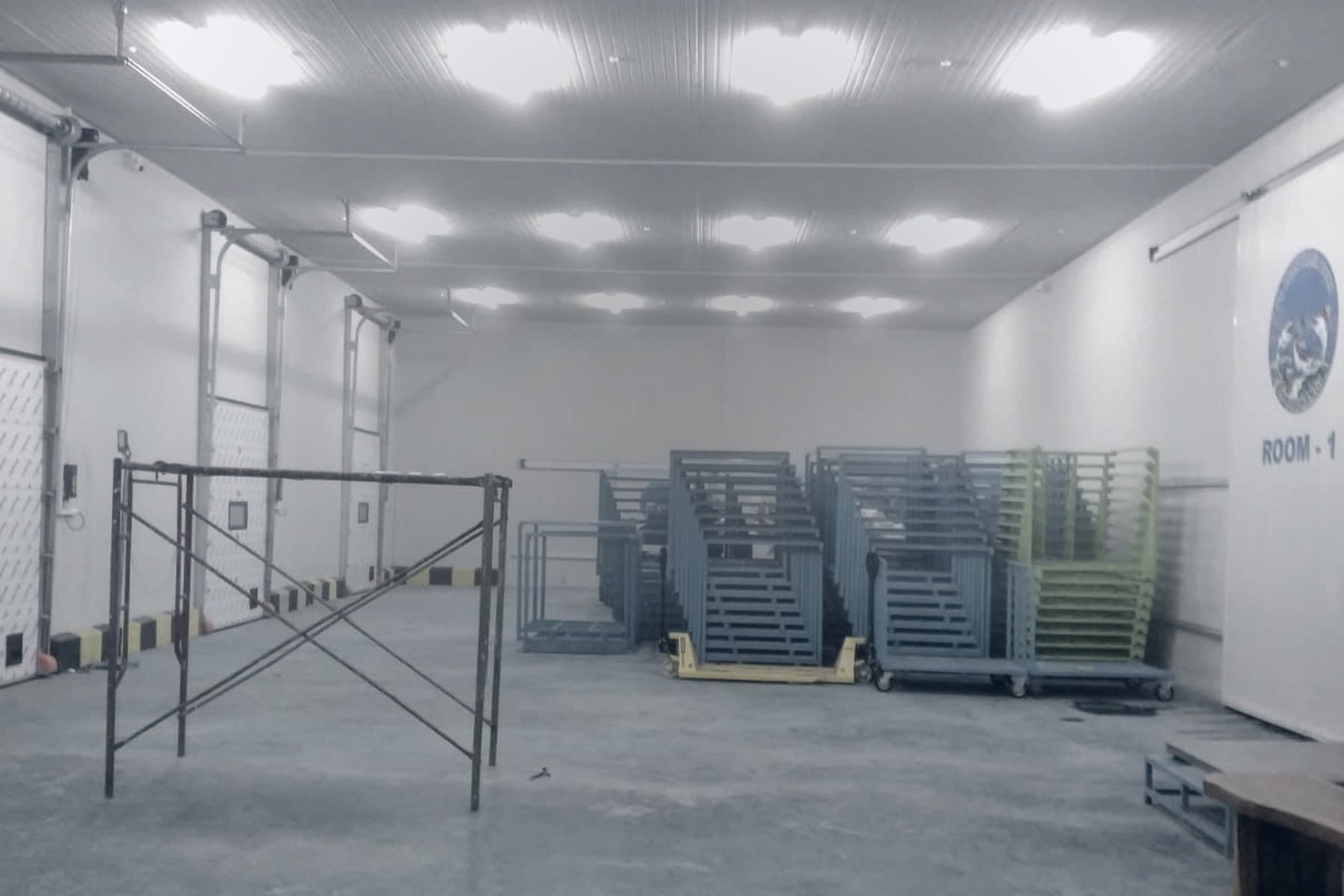
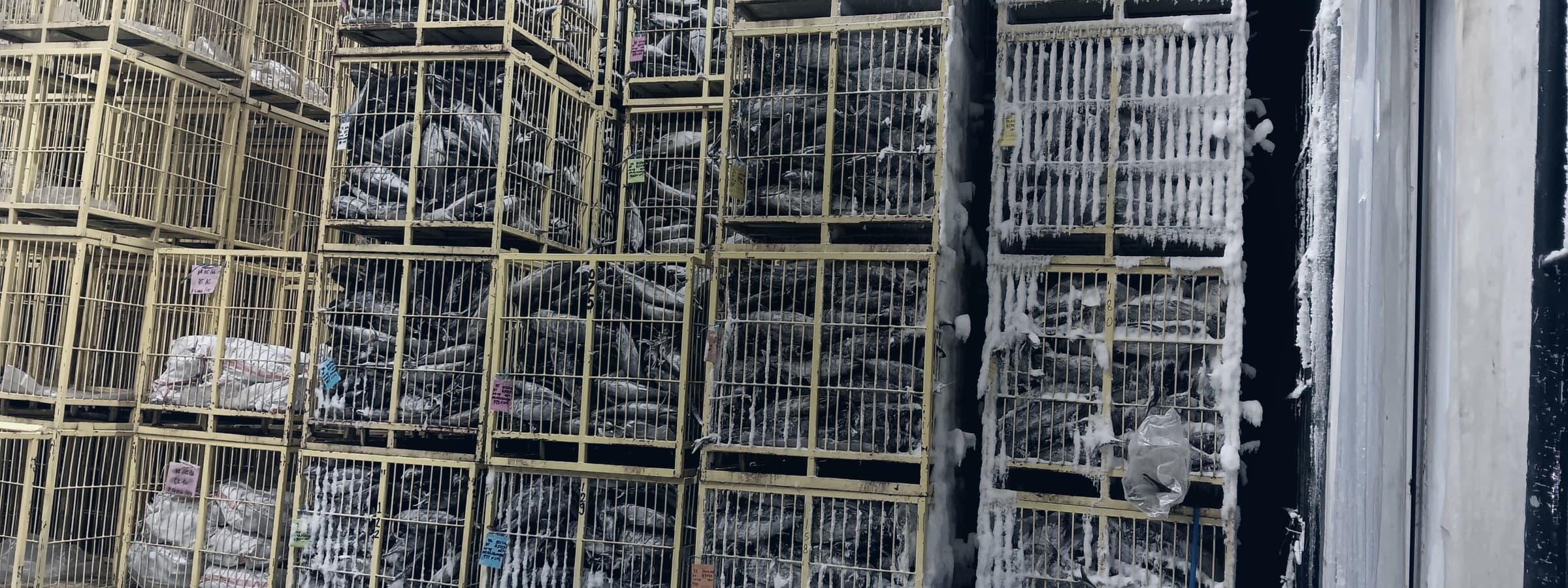
The certificates confirm the company has fulfilled and implemented the Quality Assurance System requirements for fish processing. Certified processing steps cover receiving of raw material, weighing, sortation, packing, cold storing, and stuffing.
- Certificate 032
- CPIB Frozen Tuna — valid until 22 November 2026
- Certificate 033
- CPIB Frozen Pelagic Fish — valid until 22 November 2026
- Issuing Authority
- Ministry of Marine Affairs and Fisheries — BKIPM, UPT KIPM Surabaya I
- Inspection Date
- 22 November 2022 · Issued in Surabaya, 28 November 2022
- Certified Steps
- Receiving, weighing, sortation, packing, cold storing, stuffing
OPERATIONAL DISCIPLINE
Five Pillars of Daily Practice
HACCP Plan
Hazard analysis at every critical control point.
Monitoring
Temperature and process records documented per shift.
Sanitation
Cleaning protocols and pest control documented.
Training
Staff drilled on hygiene and handling standards.
Documentation
Lot tracing and audit trail maintained.
AUDIT READINESS
Open to Direct Review
Operational records — receiving notes, lot tags, delivery notes, sanitation logs, temperature logs, and maintenance records — are filed and retained for internal review, external audit, and buyer verification. Sanitation work is scheduled rather than reactive, with cleaning routines, pest control, and equipment hygiene following a fixed plan with sign-off.
Buyers, partners, and auditors are welcomed at the Ketapang facility to review handling, storage, and dispatch directly. Site visits and document review are treated as part of ordinary corporate practice, not an exception.